Reported Cyclospora cases have doubled in North Carolina since last week, attributed to not one, but multiple outbreaks rather than a single source. Although Taylor Farms iceberg lettuce from Mexica was identified as a source of the microscopic parasite, other commercial producers under suspicion have yet to be identified.
Cyclospora is a microscopic parasite found in food or water contaminated with human feces. It causes an intestinal illness known as cyclospriasis. According to the Center for Disease Control and Prevention (CDC) symptoms include frequent, watery diarrhea that can last from one to two weeks. However, symptoms can take anywhere from 2 days to 2 weeks to appear after ingesting the parasite, making it difficult to trace the outbreak’s origin.
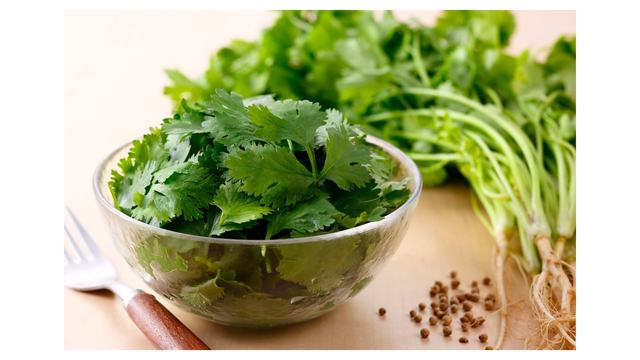
Historically produce contaminated in outbreaks include herbs like cilantro, parsley and basil as well as bagged salads, snow peas, scallions, berries, mangos, and prepared fruit trays. Rinsing fresh fruits and vegetables can help reduce the risk of contracting the parasite, but it does not completely eliminate it. When washing produce, consider scrubbing it under running water and removing the outermost layers of rind, or leaves from cabbage or lettuces.
Because washing alone does not eradicate Cyclospora, cooking is the most reliable way to kill the parasite. Instead of cold salads, considering choosing fresh vegetables cooked to 158 degrees Fahrenheit. Frozen or canned also presents a lower-risk option until sources are fully identified and local cases decline. While purchasing local foods instead of relying on large commercial suppliers may lower exposure risks.
As always, remember to wash your hands thoroughly!