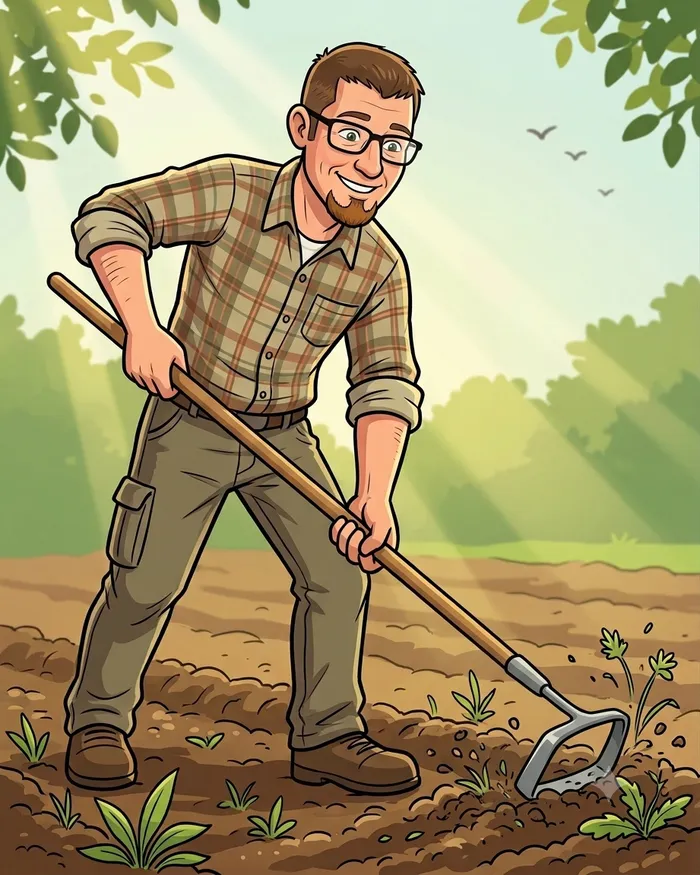
July in Transylvania County brings gorgeous summer blooms, but the warmth and humidity of the Blue Ridge mountains also bring a peak surge of weeds and hungry insects. Keeping your garden thriving this month is all about working smarter, not harder. Here is your guide to managing summer pests and reclaiming your mountain plots.
Winning the Weed War (Without Wrecking Your Back)
Mid-summer weed growth can feel overwhelming, but you can maintain control without putting your spine through the ringer. The secret lies in using the right tools at the right time.
- Work with Ergonomic Tools: Ditch the hand trowel and stand tall. Invest in a long-handled stirrup hoe (also called a scuffle hoe) or a collinear hoe weeder. These tools allow you to stand completely upright, using a comfortable gliding motion to slice weeds off just beneath the soil surface.
- Catch Them Small: Don't wait for weeds to take over. The absolute best time to disrupt them with these hoes is when they are still very small—often just tiny sprouts.
- Enjoy the Morning Cool: Beat the July heat by heading out early in the morning. The air is still pleasantly cool, the soil holds a bit of morning dew, and you will have the local Transylvania County birds cheering you on with their morning songs.
Targeted Control for Woody Invaders: While hoes work wonders in the beds, tough woody weeds require a different strategy. Spot-spray a targeted herbicide directly onto the foliage of aggressive, woody nuisances like poison ivy, honeysuckle, and kudzu to stop them from choking out your native landscape.
Managing Pests and Diseases: Summer Insect Guide
As temperatures peak, insect populations explode across both ornamental beds and vegetable plots. Routine scouting—especially on the undersides of leaves—is critical this month.
Shrub and Ornamental Pests
Keep a close eye on your landscape shrubs and ornamentals for these high-summer troublemakers:
- Bagworms: Often found on arborvitae and junipers, these pests spin protective silk bags camouflaged with plant debris.
- Lace Bugs: Commonly attacking pyracantha, azaleas, and rhododendrons, they suck sap and leave leaves looking stippled or bleached.
- Japanese Beetles: These voracious chewers can skeletonize the foliage of roses and ornamental trees in a matter of days.
Vegetable Garden Invaders
In the vegetable garden, July is prime time to start watching out for a variety of destructive insects:
- Cucumber Beetle: Keep a sharp lookout for striped or spotted varieties; they chew foliage and vector deadly bacterial wilt.
- Aphids: These tiny, soft-bodied pests cluster on succulent new growth, sucking plant juices and leaving a sticky residue.
- Flea Beetle: Recognizable by their jumping habits, they leave tiny "shotholes" in the leaves of tomatoes and eggplants.
- Whitefly: These minute, powdery-white insects flutter out in clouds from the undersides of leaves when disturbed.
- Colorado Potato Beetle: Both the striped adults and plump, reddish larvae can completely defoliate potatoes, tomatoes, and eggplants.
Effective Organic Insecticides
If pest populations exceed what you can hand-pick, several highly effective organic insecticides can be deployed to protect your garden without harsh synthetic chemicals.
Organic Insecticide
Targeted Pests
How It Works
Neem Oil
Aphids, Whiteflies, Flea Beetles
Acts as an anti-feedant and disrupts the hormonal growth stages of soft-bodied insects.
Spinosad
Colorado Potato Beetles, Thrips
Derived from a natural soil bacterium; excellent for chewing pests and highly effective against beetle larvae.
Insecticidal Soap
Aphids, Whiteflies, Lace Bugs
Employs potassium salts of fatty acids to disrupt the cellular membranes of soft-bodied pests on contact.
Bacillus thuringiensis (Bt)
Young Bagworms, Caterpillars
A naturally occurring bacterium that specifically targets the digestive systems of leaf-eating larvae.
Pyrethrins
Japanese Beetles, Flea Beetles, Cucumber Beetles
Extracted from chrysanthemum flowers; provides a quick knockdown for a wide range of tough garden pests.
Gardening Tip: To protect our vital mountain pollinators, always apply organic foliar insecticides late in the evening or at dusk when bees and butterflies are no longer active.