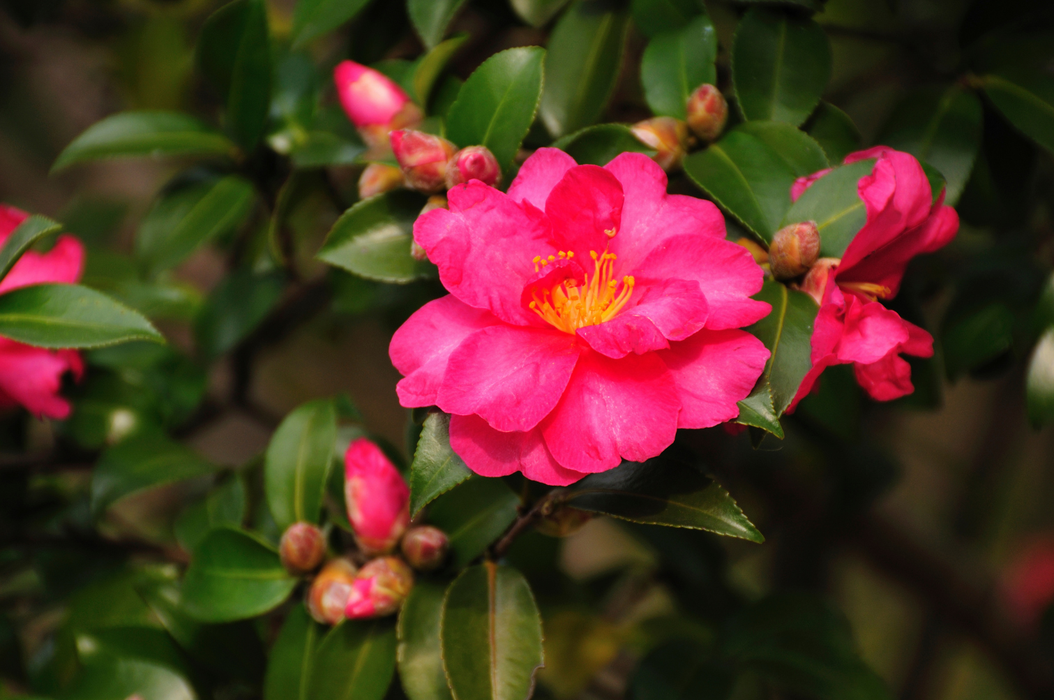
January is the time to plan for the gardening season to come. You can be productive inside while keeping warm and dry and venture outside only when you feel the need. Most of the outdoor tasks listed can also be done in February so if you don’t get to it this month, you still have plenty of time.
Fertilizing- If you have them, add wood ashes to the vegetable garden, bulb beds and non-acid loving plants if the pH of the soil is below 6.0. Maximum amount to incorporate per year is 20 gallons per 1,000 square feet.
- Fertilize actively growing and flowering houseplants. Houseplants
Planting
- Plant ornamental trees, fruit trees and shrubs. Planting trees and shrubs
- Plant your live Christmas tree as soon as possible, keep it outdoors in a protected spot out of direct sun and wind until planting time.
- If you didn't get all the spring bulbs planted before the ground froze, try to get them in Sort through and discard any that are soft.
Pruning
- Prune broken and undesired limbs on your shade trees. Pruning
- Remove undesirable trees from your landscape.
- Cut back ornamental grasses as well as liriope and mondo grass.
Lawn Care
- Keep tree leaves from collecting on your lawn.
Propagation
- Take hardwood cuttings of many landscape plants such as forsythia, flowering quince, weigela, crape myrtle, juniper, spirea and hydrangea. Propagation from cuttings
Miscellaneous To Do
- Water and adjust lighting for house plants, particularly holiday poinsettia, amaryllis, Christmas cactus, gloxinia and cyclamen. Do not fertilize non-flowering house plants in the winter months, let them go semi-dormant. Houseplant care
- Inspect houseplants for insects such as spider mites, scale and whiteflies. Treat as needed.
- Study the "skeleton" of your landscape and decide where to put new structures, such as pathways and arbors. Landscape design
- Study the plantings in your landscape to see what additions or improvements can be made this spring.
- Create a database of your garden plants with notes on performance.
- Discard old seeds.
- Study your plant and seed catalogs and make a list of plants you’d like to grow this year.
- Order asparagus for early March planting. Growing asparagus
- Order your small fruit plants such as strawberry, blueberry, raspberry, and blackberry for a mid-March planting. Small fruits in the home garden
- Keep compost piles turned and moist but not wet. Keep piles covered so rains do not leach nutrients. Composting
- Feed and provide water for wild birds during cold weather, keeping feeders well stocked with favorites such as black oil sunflower seeds. Wild birds
- Rake heavy snow off shrubs.
- Check, clean and repair garden equipment and tools. Garden tool care
- Clean and sterilize garden pots and transplant trays with a 10% bleach solution. Sterilizing containers
- Soil test if you have not done so in the past 2-3 years. Gardener’s guide to soil testing
- Pull or spray winter weeds such as wild onions and chick weed. Cool Season Weeds
- Near the end of the month, weed the asparagus and strawberry beds and renew thinning mulches.